There is a fundamental mismatch at the heart of most architecture firm websites. The work being shown is about transformation, about reimagining how people experience space, about solving problems that existed for years before the building did. But the website presents it the way a property listing presents a house. Exterior shot, interior shot, floor plan, completed date, next project.
The people who hire architects are not buying buildings. They are buying a vision of what something could become and the confidence that the firm in front of them has both the creative intelligence and the technical capability to get it there. A website that fails to communicate either of those things is not just a missed opportunity. It is actively working against the quality of the practice behind it.
Enter Pro is a platform architecture firms are using to build a presence that reflects the depth and intentionality of their work without the cost of a fully custom-built site. For firms that want precise control over how project documentation, technical drawings, or case study layouts are presented, having a free code editor within the platform means those decisions stay with the people who understand the work best.
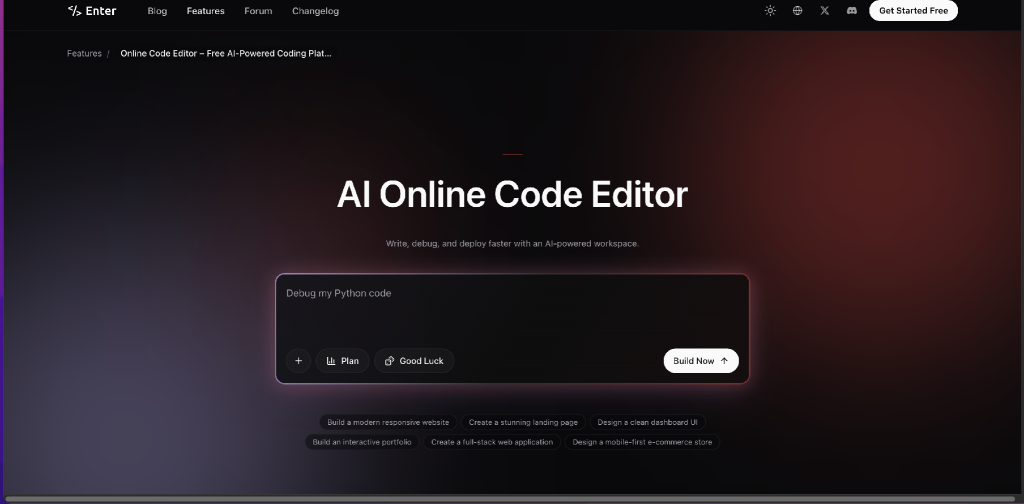
Enter Pro free code editor
The Project Page Problem Most Firms Have Not Diagnosed
Look at the project pages of ten architecture firm websites and count how many of them tell you anything meaningful about the problem the project was solving before the design began. The answer is almost always none.
What you get instead is the finished product. Beautiful photography, material specifications, sometimes a square footage figure or a project completion year. What you do not get is the brief, the constraints, the site challenges, the client’s vision versus the architect’s interpretation of it, the decisions that were made and why, the things that almost went differently.
That narrative is where architectural intelligence lives and it is almost universally absent from how firms present their work online. A potential client reading a project page that tells that story does not just see a beautiful building. They see evidence of how a firm thinks, listens, solves, and delivers. That evidence is what builds the kind of trust required to hand someone a project worth millions of dollars.
Communicating to Two Very Different Audiences at Once
Architecture firms typically serve at least two distinct client types whose needs and priorities are quite different from each other. Private residential clients are making deeply personal decisions about spaces they will live in. They respond to warmth, to the sense that the firm understands domestic life, to evidence that the architect will listen and collaborate rather than impose a vision.
Developers and commercial clients are making financial decisions. They respond to evidence of delivery capability, budget management, planning success rates, and the kind of professional credibility that reduces their risk. They want to know that a firm can navigate complexity, manage consultants, and deliver on time without surprises.
A website that tries to speak to both audiences with the same voice and the same content usually fails both. The most effective approach is creating distinct pathways through the site, separate project galleries, separate case study formats, separate language registers that let each audience find what is specifically relevant to them without wading through content aimed at someone else.
Choosing a Platform for a Portfolio-Intensive Professional Practice
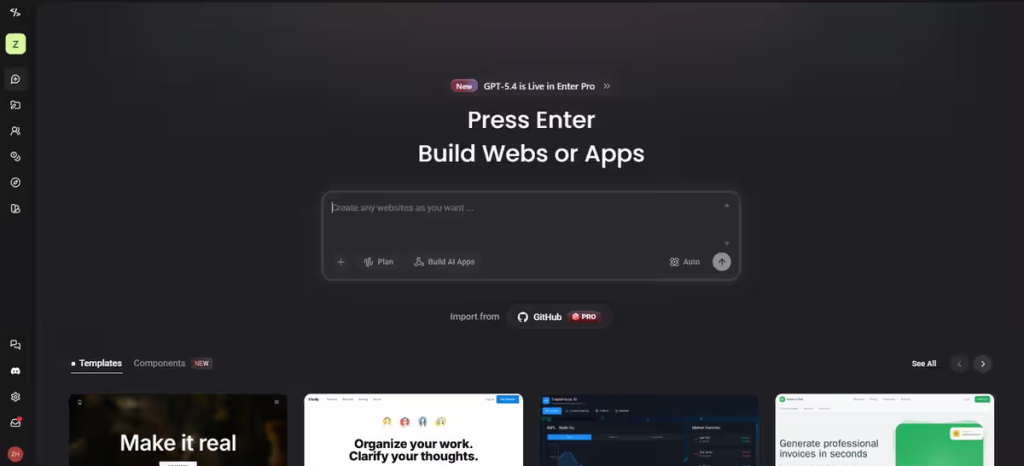
Enter Pro best website maker
Architecture websites are among the most image and document heavy professional sites anywhere. High resolution project photography, technical drawings, planning documents, awards certificates, and publication features all need to be organized, presented, and accessible in ways that feel considered rather than cluttered.
Taking time to work through a proper comparison of the best website maker options with a document and image-heavy professional practice in mind will quickly reveal which platforms handle this combination of rich media and professional credibility requirements well. Load speed with large architectural photography files, the ability to create custom project page layouts, and clean typography for technical content are all areas where platforms differ significantly and where the wrong choice creates ongoing friction for every project update you make.
The Long Sales Cycle and What Your Website Should Be Doing During It
Architecture commissions do not close quickly. A potential client might spend six months or more researching firms before making first contact. During that entire period they are forming opinions, building preferences, and developing a sense of which firms understand their vision before a single conversation has taken place.
Most architecture websites do nothing to stay present during that research period. They wait passively for someone to land on them and hope the project pages are compelling enough to make a shortlist. The firms that consistently win competitive commissions are the ones whose websites give that researching client something to return to repeatedly, new content, fresh thinking, ongoing evidence of active and relevant work.
A regular publication, whether it is a short project diary, a reflection on a design challenge, a response to a planning decision that affected a project, or a commentary on something happening in architecture that the firm has a genuine perspective on, keeps the firm visible and mentally present during the long period between discovery and first contact.
Firm Culture as a Selection Differentiator
At a certain level of practice, the technical capability of competing firms is roughly equivalent. Clients at that level are not choosing between competent and incompetent. They are choosing between cultures, between ways of working, between relationships they can imagine sustaining through a multi-year project with all the difficulty that involves.
Your website is where firm culture either comes through or disappears behind a generic professional presentation. The way you write about your work. The values you are explicit about. The kind of projects you take on and the ones you do not. The people you show and how you describe them. The tone of everything from your project descriptions to your contact page.
Enter Pro gives firms enough design and content flexibility to let that culture come through distinctively rather than defaulting to the industry standard of dark backgrounds, minimal text, and a grid of project thumbnails that could belong to any firm anywhere in the world.
Awards, Publications and Recognition Done Right
Recognition matters in architecture and it belongs on your website, but how it is presented determines whether it adds genuine credibility or just reads as self-congratulatory noise.
A dedicated awards page that lists every commendation since the firm was founded with no context about what the project involved or why it was recognized tells a visitor very little of value. Recognition presented within the project it belongs to, alongside the story of what made that project distinctive, is a completely different thing. It contextualizes the achievement and amplifies the project simultaneously rather than treating the award as an end in itself.
The same applies to publication features. A press section that links to actual coverage with a sentence of context about what the publication focused on is far more useful to a potential client than a logo wall of mastheads that gives no sense of what was actually said.
Conclusion
Architecture is one of the few professions where the work exists physically in the world for decades after it is completed, changing how people live, work, and move through space in ways that outlast almost every other form of professional output. A website that communicates the thinking, the process, and the values behind that work with the same care the work itself receives is not optional for a practice serious about the clients it attracts and the commissions it wins. It is the first expression of the design intelligence that everything else depends on.