Wicker furniture has experienced a remarkable resurgence in recent years, finding its way onto patios, porches, sunrooms, and even indoor living spaces across the globe. Its timeless appeal lies in the perfect marriage of natural aesthetics and functional comfort, offering homeowners a versatile option that complements nearly any design scheme. Whether you are furnishing a sprawling backyard retreat or a cozy apartment balcony, understanding how to select the right pieces can make the difference between a space that merely exists and one that truly invites relaxation. This guide walks you through every essential consideration, from material types and construction quality to style matching and long-term maintenance, ensuring your investment delivers years of enjoyment.
Understanding Wicker Materials and Construction
Before diving into style preferences, it helps to understand what wicker actually is. Contrary to popular belief, wicker is not a material itself but rather a weaving technique. The fibers woven together can be natural, such as rattan, bamboo, willow, or reed, or they can be synthetic, typically made from polyethylene resin. Each material brings distinct advantages depending on where and how you plan to use the furniture.
Natural wicker carries an organic warmth that synthetic alternatives struggle to replicate. The slight irregularities in the weave, the subtle color variations, and the gentle texture under your fingertips all contribute to an authenticity that resonates with those who value craftsmanship. However, natural fibers are susceptible to moisture damage, UV fading, and pest intrusion, making them better suited for covered or indoor environments.
Synthetic wicker furniture has evolved dramatically over the past decade. Modern resin wicker is engineered to withstand harsh weather conditions, resist fading from prolonged sun exposure, and repel mold growth. High-density polyethylene wicker, in particular, offers remarkable durability without sacrificing the visual charm of its natural counterpart. When shopping for outdoor pieces, look for UV-stabilized resin and powder-coated aluminum or steel frames, as these combinations deliver the longest lifespan with minimal upkeep.
Evaluating Frame Quality and Structural Integrity
The frame hidden beneath the woven exterior determines how long your furniture will last and how well it will support daily use. Aluminum frames are the gold standard for outdoor wicker furniture because they resist rust, remain lightweight for easy rearrangement, and provide excellent structural support. Steel frames offer superior strength but require protective coatings to prevent corrosion. Wood frames work beautifully for indoor pieces but should be avoided for furniture exposed to the elements.
When examining a potential purchase, pay attention to the joints and connection points. Welded aluminum joints are preferable to bolted connections because they eliminate potential weak spots where water might accumulate. Gently press on the arms, back, and seat to test for flex or wobble. Quality wicker furniture should feel solid and stable without any creaking or shifting under pressure. The weave itself should be tight and uniform, with no loose strands or gaps that could catch on clothing or unravel over time.
Weight capacity is another critical factor that many buyers overlook. Standard dining chairs should comfortably support at least two hundred fifty pounds, while lounge chairs and sofas need higher ratings. Reputable manufacturers list weight capacities in their specifications, and choosing pieces rated well above your expected use ensures a comfortable safety margin that accounts for the occasional enthusiastic guest.
Matching Wicker Styles to Your Space
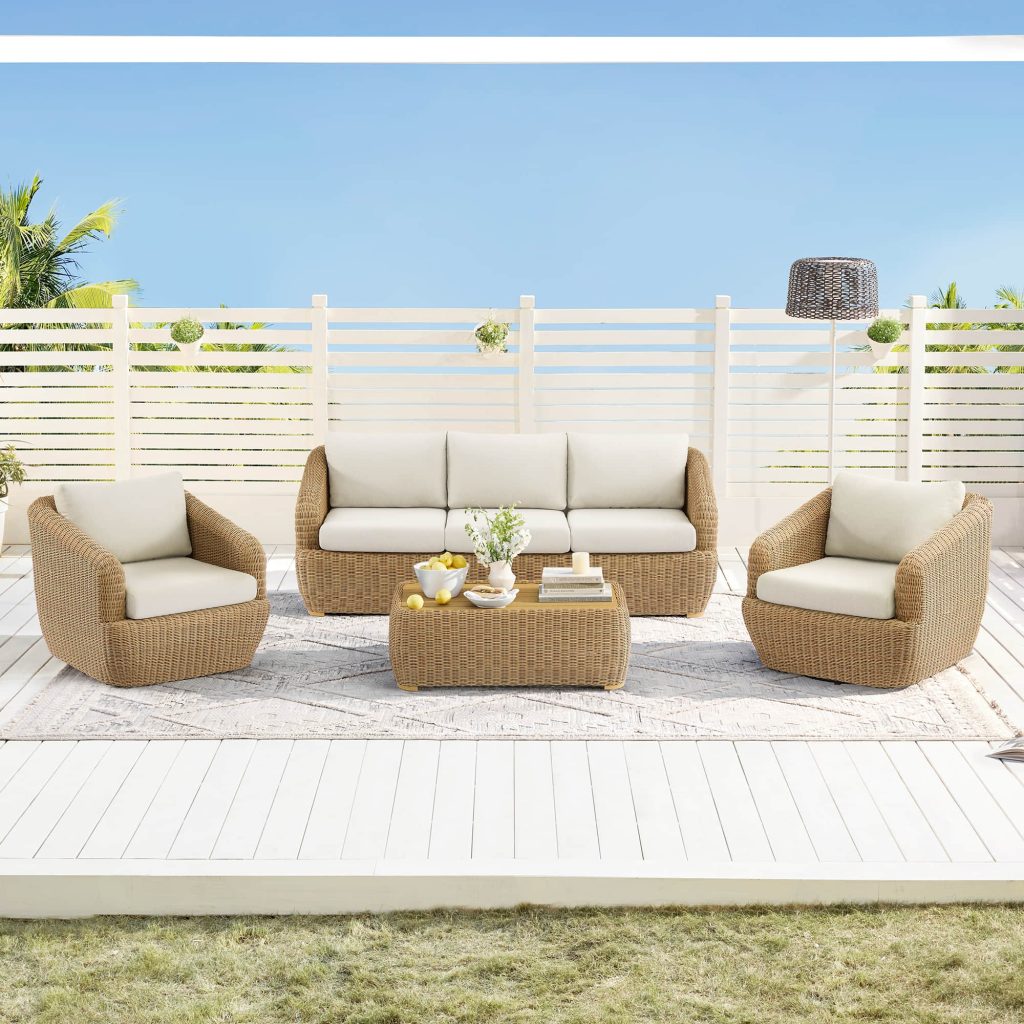
Wicker furniture spans an impressive range of aesthetics, from coastal casual to modern minimalist. The key to a cohesive outdoor or indoor space lies in selecting pieces whose proportions, colors, and design details align with your existing environment. For traditional settings, look for classic rounded shapes, natural honey or brown tones, and intricate weave patterns that echo vintage craftsmanship. Contemporary spaces benefit from clean geometric lines, darker charcoal or espresso finishes, and streamlined silhouettes that pair well with metal and glass accents.
Scale matters enormously when choosing wicker furniture. A bulky sectional sofa might overwhelm a small balcony, while a delicate bistro set could look lost on a sprawling deck. Measure your available space carefully, accounting for walkways, door clearances, and the room needed to pull out chairs comfortably. As a general rule, leave at least three feet of clear passage around seating areas and ensure tables are positioned within easy reach of every seat without crowding the arrangement.
Color selection extends beyond the wicker itself to include cushion fabrics, throw pillows, and surrounding decor. Neutral wicker tones provide a versatile foundation that accommodates seasonal color changes through accessories alone. If you prefer a bolder statement, painted wicker in white, black, or even deep navy can anchor a design scheme and create visual contrast against greenery or architectural features. Brands like CHITA LIVING offer thoughtfully curated collections that simplify the coordination process, presenting complete seating sets designed to work harmoniously together.
Cushion Selection and Comfort Optimization
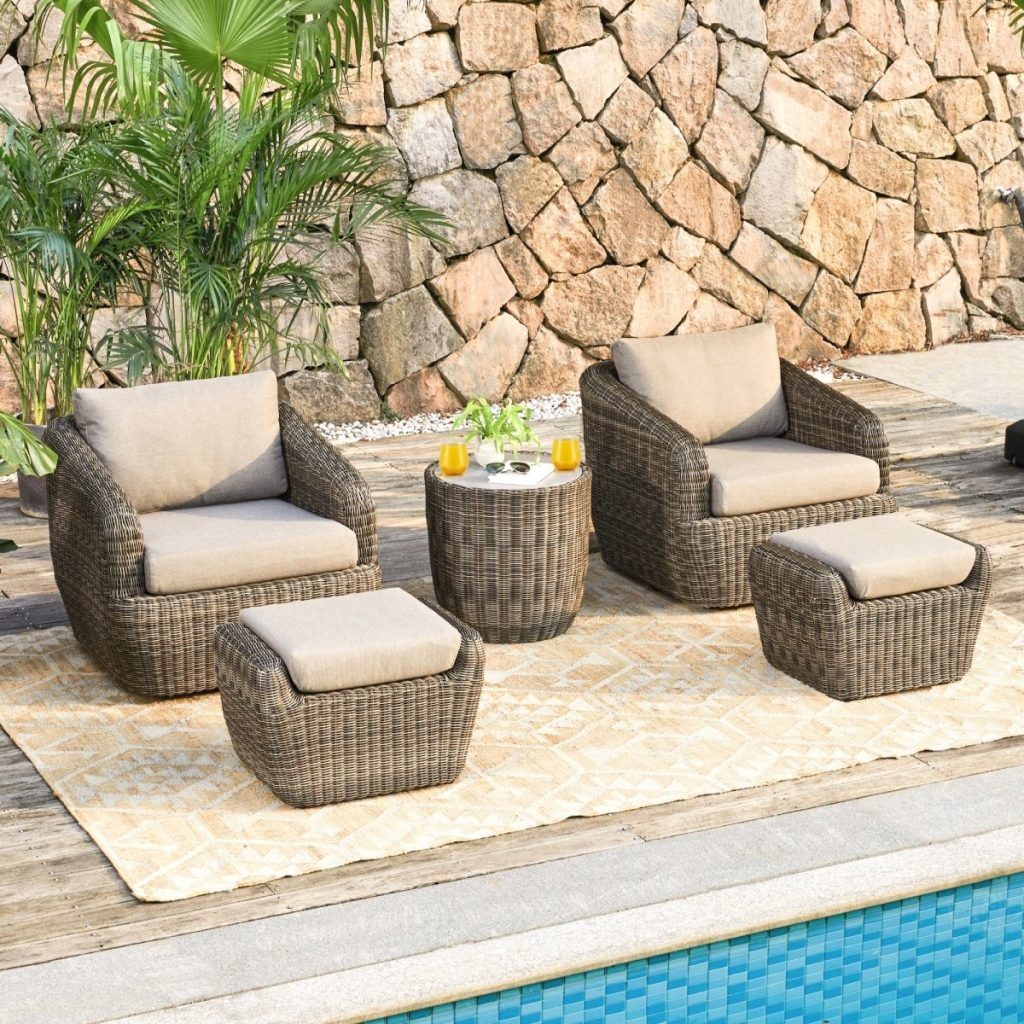
While the wicker frame provides structure and visual appeal, cushions determine your actual comfort experience. Outdoor cushion technology has advanced significantly, with modern options offering plush comfort comparable to indoor upholstery while resisting water absorption, mildew growth, and color fading. Look for cushions filled with quick-dry foam that allows water to pass through rather than becoming trapped inside, and covers made from solution-dyed acrylic fabric that maintains its color integrity through seasons of sun exposure.
Cushion thickness directly impacts comfort during extended lounging sessions. Seat cushions should measure at least four inches thick for dining chairs and five to six inches for lounge seating. Back cushions benefit from a slightly softer density than seat cushions, providing support without feeling rigid against your spine. Some premium sets include adjustable back cushions or lumbar pillows that let you customize your support based on the activity, whether reading, conversing, or napping.
Removable covers simplify maintenance dramatically. Choose cushions with zippered covers that can be machine washed or easily wiped down after spills. Storing cushions in a dry location during extended periods of disuse prolongs their lifespan considerably. If storage space is limited, invest in a quality outdoor storage box that keeps cushions protected without requiring you to haul them indoors after every use.
Placement Strategies for Maximum Enjoyment
Where you position your wicker furniture influences both its longevity and your enjoyment of it. Even the most weather-resistant synthetic wicker benefits from some degree of shelter. Placing pieces under a pergola, covered patio, or retractable awning reduces direct UV exposure and keeps cushions drier during unexpected rain showers. If full coverage is not possible, orient furniture so that the pieces receiving the most sun are those you can most easily rotate or replace.
Consider the social dynamics of your space when arranging seating. Conversation areas work best when seats face each other at a comfortable distance, typically six to eight feet apart. L-shaped sectionals create natural gathering spots that encourage group interaction, while a separate bistro set tucked into a garden corner offers an intimate retreat for morning coffee or quiet reading. Think about sight lines as well, positioning furniture to take advantage of garden views, water features, or sunset vistas that enhance the relaxation experience.
Traffic flow deserves equal attention in your layout planning. Ensure pathways between the house and yard remain clear, and avoid placing furniture where it blocks access to grills, garden beds, or utility areas. If you entertain frequently, consider how guests will move between indoor and outdoor spaces, and create a natural progression that draws people outward without creating bottlenecks at doorways or steps.
Maintenance Practices That Extend Furniture Life
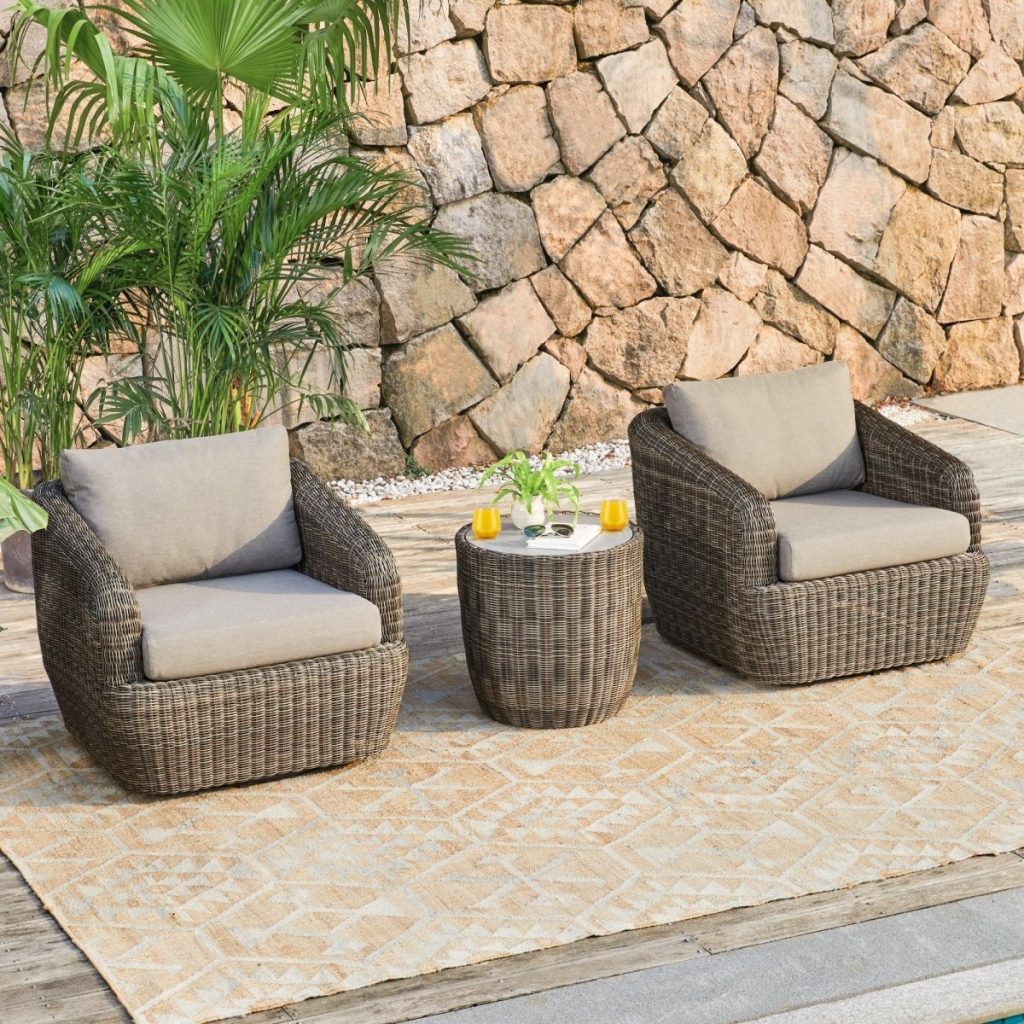
Proper care ensures your wicker furniture remains beautiful and functional for many years. Routine maintenance is refreshingly simple for synthetic wicker. A monthly rinse with a garden hose removes surface dust and pollen, while a gentle scrub with mild soap and a soft brush addresses any stubborn spots. Avoid pressure washers, which can damage the weave, and harsh chemical cleaners that might degrade the resin over time.
Natural wicker requires slightly more attentive care. Dust regularly with a soft brush or vacuum attachment to prevent dirt from settling into the weave. Periodically apply a light coat of furniture wax or lacquer to maintain the protective finish and prevent drying or cracking. Keep natural wicker away from direct water exposure, and if pieces do get wet, dry them thoroughly in a well-ventilated area to prevent mold development within the fibers.
Seasonal transitions present an opportunity for deeper maintenance. Before winter storage, clean all pieces thoroughly, inspect for any loose strands or damaged sections, and apply protective treatments as needed. Cover furniture with breathable covers rather than plastic tarps, which can trap moisture and create condensation. For those in milder climates where furniture remains outdoors year-round, a mid-season inspection helps catch minor issues before they develop into significant problems. CHITA LIVING designs their outdoor collections with these maintenance realities in mind, using materials that minimize upkeep demands while maximizing seasonal resilience.
Budget Planning and Smart Investment Decisions
Wicker furniture pricing varies enormously based on materials, construction quality, brand reputation, and included accessories. Understanding where your money goes helps you allocate your budget effectively and avoid overpaying for features that do not match your needs. Entry-level synthetic wicker sets offer acceptable quality for casual use but may show wear within a few seasons. Mid-range options typically deliver the best value proposition, combining durable materials with thoughtful design at price points that reflect genuine craftsmanship without luxury markups.
Consider the total cost of ownership rather than just the purchase price. A cheaper set that requires replacement every three years ultimately costs more than a quality investment piece that lasts a decade or longer. Factor in the cost of replacement cushions, protective covers, and any maintenance supplies when comparing options. Some manufacturers offer replacement parts and cushion refills, extending the useful life of your furniture well beyond what disposable alternatives can achieve.
Timing your purchase strategically can yield significant savings. End-of-season sales, typically in late summer or early fall, often discount outdoor furniture by thirty to fifty percent as retailers clear inventory for incoming stock. Holiday sales events provide another opportunity, though selection may be more limited. If you can plan ahead and purchase during these windows, you can often afford a higher quality tier than your budget would normally allow at full retail pricing.
Building Your Perfect Wicker Retreat
Selecting the right wicker furniture transforms an ordinary outdoor area into a personal sanctuary where daily stresses melt away and meaningful moments with family and friends unfold naturally. By understanding the differences between natural and synthetic materials, evaluating frame construction with a critical eye, matching styles to your existing space, prioritizing cushion comfort, planning thoughtful arrangements, maintaining your investment properly, and budgeting wisely, you position yourself to make choices that deliver lasting satisfaction. The perfect wicker setup is not about following trends or spending the most money. It is about finding pieces that resonate with your lifestyle, fit your space harmoniously, and invite you outdoors day after day, season after season. Take your time with the selection process, trust your instincts about comfort and aesthetics, and remember that the best furniture is the kind that makes you want to linger just a little longer in the fresh air.