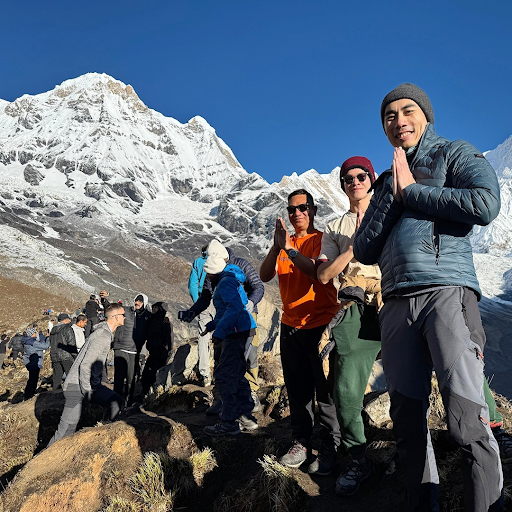
Nepal has dozens of trekking routes, but four names keep popping up whenever someone starts planning a Himalayan trip — the Annapurna Base Camp Trek, Manaslu Circuit Trek, Langtang Valley Trek, and Mardi Himal Trek. Each trail feels completely different from the others. Some push you deep into remote mountain villages where yak trains still carry supplies; others hand you jaw-dropping Himalayan views after just a few days of walking.
The tricky part is figuring out which one actually fits your fitness level, your budget, your travel style, and how many days you can realistically spare. A lot of travelers end up burning weeks scrolling through blogs and old itineraries without ever landing on one guide that lays it all out clearly.
That’s what this guide is for. We’re comparing these four iconic Nepal trekking routes side by side — highlights, difficulty, permits, best seasons, accommodation, costs, altitude, and the kind of practical tips you only really learn after doing a few of these treks yourself. By the end, you should have a much clearer idea of which trek suits your version of adventure.
Why These Four Nepal Treks Are Among the Most Popular Himalayan Adventures
There’s a reason these particular trails dominate every “best treks in Nepal” list. Between them, you get scenic diversity that’s hard to find anywhere else on Earth — snow-capped giants, subtropical forests, alpine meadows, glacial valleys, and villages where daily life hasn’t changed much in generations.
They also cover a wide spread of trekking difficulty and duration, which is exactly why they appeal to such different crowds. Mardi Himal suits someone with a week off work; Manaslu Circuit suits someone chasing a genuine high-altitude challenge. Culturally, you’ll cross paths with Gurung, Tamang, and Tibetan-influenced communities, plus a decent shot at spotting Himalayan wildlife along the way. Add in solid infrastructure — tea houses, local guides, and well-marked trails — and it’s easy to see why Nepal trekking keeps drawing first-timers and veteran hikers alike.
Annapurna Base Camp Trek Overview
The Annapurna Base Camp Trek, often just called the ABC Trek, is famous for one simple reason: it drops you right into the Annapurna Sanctuary, a natural amphitheater surrounded by Annapurna I, Machhapuchhre (Fishtail), and a ring of other 7,000-plus-meter peaks. Standing at base camp with those walls of ice on every side is honestly one of those moments that photos never quite do justice.
Along the way, the Annapurna trekking route winds through Gurung villages, thick rhododendron forests that turn the hills pink and red every spring, and the odd natural hot spring at Jhinu Danda that feels incredible after a long day’s walk.
Most people complete the Annapurna Base Camp itinerary in 7 to 12 days depending on the starting point and pace, reaching a maximum altitude of around 4,130 meters. It’s a moderate trek — tough on the legs with plenty of stone staircases, but it doesn’t demand technical skill or previous high-altitude experience. Annapurna Base Camp cost typically runs mid-range compared to the other three, making it a great pick for trekkers who want serious mountain scenery without a huge time or budget commitment.
Manaslu Circuit Trek Overview
If Annapurna feels a bit more traveled these days, the Manaslu Circuit Trek is where you go for genuine remoteness. This is a restricted area trek, meaning you need a special permit and, in most cases, a licensed guide — which naturally keeps the crowds thin.
The trail circles Mount Manaslu, the world’s eighth-highest peak, crossing the demanding Larke La Pass at over 5,100 meters before dropping into the Annapurna region on the other side. Along the way you’ll pass through villages with strong Tibetan Buddhist roots, prayer wheels, chortens, and monasteries tucked into the hillsides — a completely different cultural rhythm than the lower Annapurna trails.
Manaslu Circuit itinerary plans usually run 14 to 18 days, and this is genuinely a high-altitude adventure that suits trekkers who already have some acclimatization experience under their belt. The Manaslu trekking permit system and restricted area trekking rules mean logistics take more planning, but for anyone craving authentic villages and fewer other hikers on the trail, it’s hard to beat.
Langtang Valley Trek Overview
The Langtang Valley Trek has one huge advantage: it’s the closest major Himalayan trek to Kathmandu, meaning you can be on the trail within hours of leaving the city rather than taking a long flight or jeep ride first.
The route runs through Langtang National Park, home to red pandas, langur monkeys, and a genuine mix of alpine and subtropical terrain. Tamang culture is front and center here — you’ll notice it in the architecture, the food, and the prayer flags strung across the valley. Highlights include Kyanjin Gompa, a scenic cheese factory that’s been producing yak cheese for decades, and yak pastures that open up into some of the best mountain viewpoints in the region.
Langtang trekking is generally considered moderate, with most Langtang itinerary plans lasting 7 to 10 days and topping out around 4,984 meters if you add the Tserko Ri side trip. It’s also worth knowing this valley was badly hit by the 2015 earthquake — the community has rebuilt impressively, and trekking here today directly supports that recovery. Langtang Trek cost tends to be one of the more affordable options on this list, partly due to its shorter access time.
Mardi Himal Trek Overview
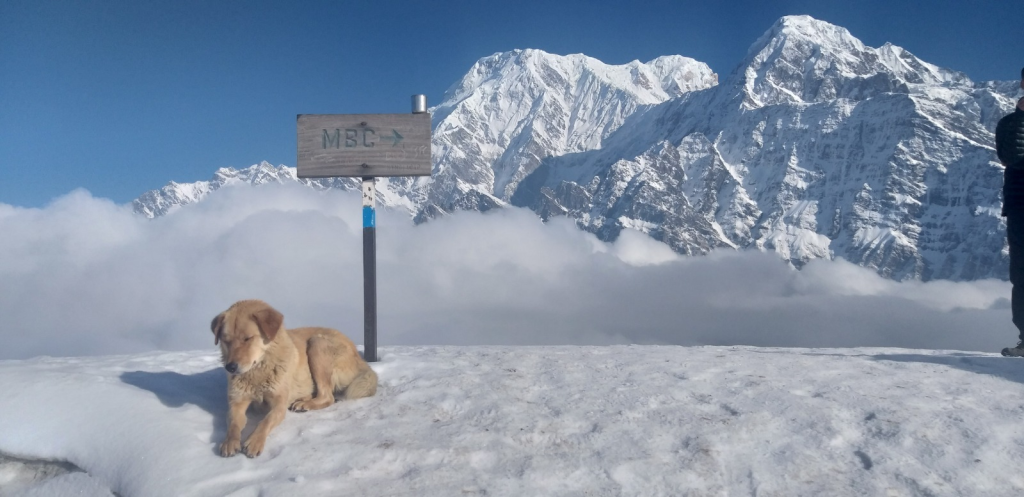
For anyone short on time but not willing to compromise on views, the Mardi Himal Trek is the region’s quiet hidden gem. Tucked into the Annapurna region, it stays noticeably less crowded than ABC despite being right next door.
The trail alternates between dense forest and narrow ridge walking, eventually opening up to sweeping views of Machhapuchhre and the Annapurna range. Sunrise from Mardi Himal Base Camp — around 4,500 meters — is one of those underrated Himalayan moments photographers rave about, with golden light hitting the peaks before anyone else on the trail even wakes up.
Most Mardi Himal itinerary options run just 5 to 7 days, making it a genuinely short trek in Nepal that still delivers a real sense of achievement. It suits beginners, budget travelers, and anyone looking at Mardi Himal trekking package deals for a quick but memorable Himalayan fix.
Annapurna Base Camp Trek vs Manaslu Circuit Trek vs Langtang Valley Trek vs Mardi Himal Trek
| Feature | Annapurna Base Camp Trek | Manaslu Circuit Trek | Langtang Valley Trek | Mardi Himal Trek |
| Duration | 7–12 days | 14–18 days | 7–10 days | 5–7 days |
| Difficulty | Moderate | Challenging | Moderate | Easy to Moderate |
| Highest Altitude | ~4,130m | ~5,160m (Larke La) | ~4,984m (Tserko Ri) | ~4,500m |
| Permits | TIMS + ACAP | MCAP + Restricted Area Permit | Langtang National Park Permit | ACAP |
| Cost | Mid-range | Higher (restricted area fees) | Lower to mid-range | Lowest |
| Best Time | Spring, Autumn | Spring, Autumn | Spring, Autumn | Spring, Autumn |
| Accommodation | Tea houses | Basic tea houses | Tea houses | Tea houses |
| Crowds | Moderate to busy | Low | Moderate | Low to moderate |
| Scenery | Sanctuary, glaciers | Remote peaks, Tibetan villages | Valley, forests, wildlife | Ridge views, sunrise panoramas |
| Suitable For | Most trekkers | Experienced trekkers | Beginners, families | Beginners, short holidays |
Trek Difficulty and Fitness Level
Nepal trekking difficulty really comes down to daily walking hours, altitude gain, and terrain. Mardi Himal and Langtang sit comfortably in the beginner-to-moderate range, with 4-6 hours of walking most days. Annapurna Base Camp asks a bit more, mostly because of the relentless stone steps around Chhomrong. Manaslu is a different beast entirely — long days, a genuinely tough pass crossing, and stretches where you’re well out of easy reach of quick evacuation.
Whichever route you pick, a bit of cardio training beforehand pays off massively. Regular hiking, stair climbing, or even running a few weeks before departure builds the trekking fitness and mental endurance you’ll need once the altitude starts making every step feel heavier than it should.
Best Time to Visit These Nepal Trekking Routes
Spring (March–May) and autumn (September–November) are hands-down the best seasons across all four trails. Spring brings warmer days and the rhododendron forests bursting into color, which is a big draw for the best time for Annapurna Base Camp Trek and Mardi Himal. Autumn offers the clearest skies of the year, making it the best season for Manaslu Circuit Trek and arguably the best time for Langtang Valley Trek too, since visibility is at its peak.
Winter is possible on the lower routes like Langtang and Mardi Himal if you don’t mind cold mornings and occasional snow, but Manaslu’s high pass often becomes risky or impassable. Monsoon season (June–August) means leeches, slippery trails, and clouded views — it’s generally best avoided unless you’re chasing a very specific, quieter experience.
Permits Required for Each Trek
Nepal trekking permits vary quite a bit between these routes. The Annapurna permit setup requires a TIMS card plus an ACAP (Annapurna Conservation Area Permit), and this covers both the ABC and Mardi Himal trails since they sit in the same conservation zone. The Manaslu permit is more involved — you’ll need an MCAP (Manaslu Conservation Area Permit) alongside a Restricted Area Permit, and current regulations require trekking in a group of at least two with a licensed guide. The Langtang permit involves entry fees for Langtang National Park along with a TIMS card. Rules do get updated from time to time, so it’s worth double-checking current requirements a month or two before you fly out.
Trek Cost Breakdown (2026 Guide)
Costs shift depending on permits, guide and porter fees, transportation, tea house prices, and how much gear you need to rent versus bring. As a rough guide for 2026: Annapurna Base Camp Trek cost usually falls between $700–$1,200 for a guided trip. Manaslu Circuit Trek cost runs noticeably higher, often $1,200–$1,800, thanks to restricted area fees and the longer duration. Langtang Valley Trek cost tends to be the most wallet-friendly of the longer treks, around $600–$1,000. Mardi Himal Trek cost is typically the lowest overall, often $400–$700, given its short length and lower permit fees. Travel insurance with high-altitude rescue coverage is non-negotiable no matter which trek you choose.
Accommodation and Food During the Trek
Nepal tea house trekking is part of the charm — simple twin rooms, shared bathrooms lower down, and increasingly common hot showers and Wi-Fi (usually for a small fee) the closer you are to popular routes. Dal Bhat remains the trekker’s staple for good reason: it’s filling, it’s usually all-you-can-eat, and it genuinely gives you the energy for the next day’s climb. Charging your devices costs a little extra at higher elevations, and drinking water should always be purified or treated, even when it looks clean straight from the tap.
Packing List for Nepal Trekking
A solid layering system matters more than any single expensive item. Think a moisture-wicking base layer, a warm mid-layer, and a proper down jacket for evenings. Broken-in trekking boots are essential — this is not the trip to test new footwear on. Pack a decent sleeping bag rated for at least -10°C for the higher routes, trekking poles to save your knees on the descents, and a good first aid kit. Don’t forget water purification tablets or a filter, gloves, a warm hat, sunscreen (the sun is brutal at altitude), and a power bank since outlets aren’t guaranteed everywhere.
Altitude Sickness and Safety Tips
Altitude sickness Nepal trekkers deal with most commonly shows up as headaches, nausea, dizziness, and fatigue — classic AMS symptoms that shouldn’t be ignored. AMS prevention really comes down to a few basics: ascend gradually, build acclimatization days into your itinerary (especially on Manaslu and Langtang), stay well hydrated, and avoid alcohol at altitude. Walking at a slow, steady pace beats rushing every single time. Diamox is commonly used as a preventative medication, but talk to a doctor before your trip. High altitude trekking safety also means knowing the signs serious enough to require immediate descent, and always carrying travel insurance that covers helicopter evacuation.
Which Trek Is Best for You?
First-time visitors and families will probably feel most comfortable on the Langtang Valley Trek or Mardi Himal Trek, both offering rewarding views without extreme difficulty. Solo trekkers chasing something more remote and culturally rich should look hard at the Manaslu Circuit Trek. Experienced hikers wanting a serious high-altitude challenge with fewer crowds will find exactly that on Manaslu too. Budget travelers and anyone on a short holiday will get the best value from the Mardi Himal Trek, while photographers chasing that classic Annapurna Sanctuary shot should go for the Annapurna Base Camp Trek. Adventure seekers who want a bit of everything — culture, altitude, and jaw-dropping scenery — often end up torn between all four, and honestly, that’s not a bad problem to have.
If you’re still comparing routes or looking for updated itineraries before making your decision, trusted local resources like Everest Trekking Routes can help you understand seasonal conditions, trekking permits, trail options, and practical planning tips. Reviewing reliable local information before your trip often makes the entire trekking experience smoother and more enjoyable.
Final Thoughts
Every one of these treks offers its own version of a Himalayan experience, and none of them is objectively “the best” — it really comes down to your available time, fitness level, budget, and what kind of adventure you’re after. Whether you pick the sweeping sanctuary views of Annapurna Base Camp, the remote high passes of Manaslu, the accessible valleys of Langtang, or the quick ridge walk of Mardi Himal, a bit of planning ahead will make all the difference once you’re actually on the trail.
Contect information
Everest Trekking Routes Pvt. Ltd.
16 Khumbu, Nayabazaar, Kathmandu, Nepal
Mobile : +977-9843467921 (Rabin)
Email: [email protected]
URL:– www.everesttrekkingroutes.com