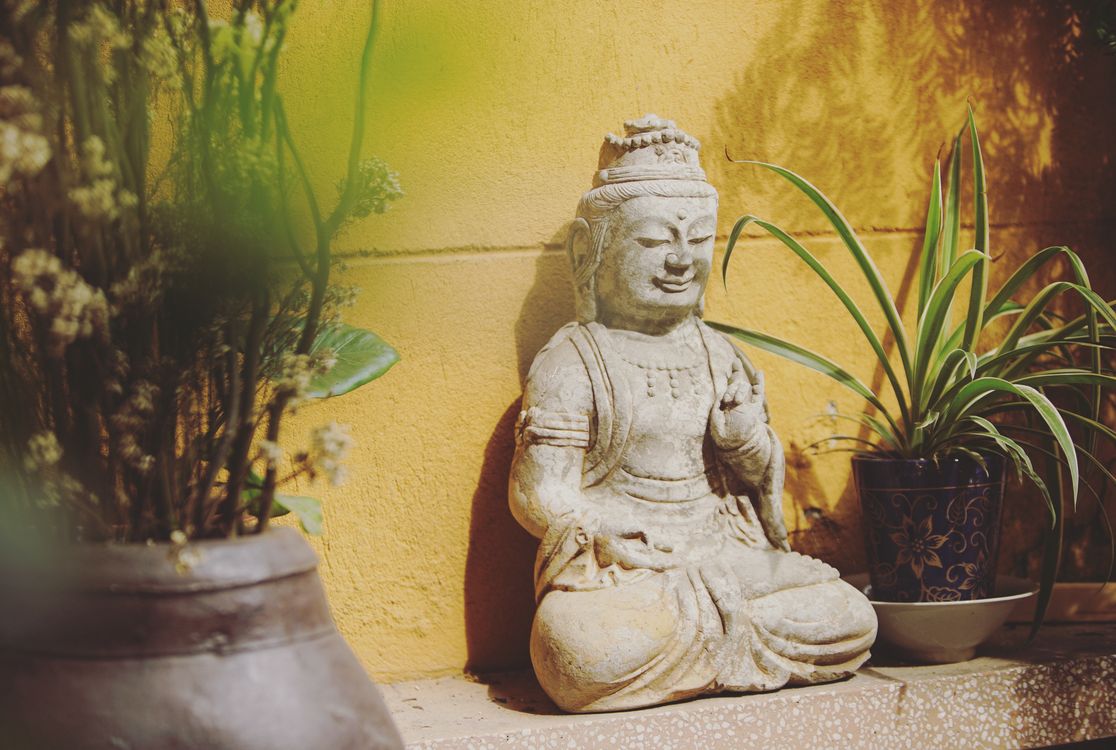
Human civilizations have long turned to the natural world not just for survival, but for meaning. Across continents and centuries, plants have been revered as sacred bridges between the material and spiritual realms—tools for healing, communication, transformation, and transcendence. From ancient temples to remote tribal ceremonies, plants have helped people make sense of the divine, the unseen, and the mysteries of existence. This deep-rooted relationship between humans and sacred flora reveals how intertwined spirituality and nature have always been.
What’s particularly fascinating is how different cultures, often separated by vast distances, arrived at remarkably similar conclusions: that certain plants possess unique powers capable of altering perception, inducing visions, or facilitating communion with higher forces. These beliefs shaped rituals, traditions, and entire religious systems, leaving behind a legacy that continues to evolve today.
Ancient Civilizations and the Earliest Ritual Plants
The use of sacred plants dates back thousands of years, with some of the earliest evidence found in ancient Mesopotamia, Egypt, and the Indus Valley. In these early societies, plants were often associated with gods, immortality, and the afterlife. For example, the ancient Egyptians used blue lotus in ceremonies, believing it symbolized rebirth and spiritual awakening. Its mild psychoactive effects likely enhanced meditative or ritual states.
In Vedic India, the mysterious plant known as Soma played a central role in religious rituals described in the Rigveda. Though its exact identity remains debated, Soma was consumed by priests seeking divine inspiration and enlightenment. These early practices demonstrate how plants were not merely symbolic but actively integrated into spiritual experiences, shaping religious narratives and ceremonial structures.
Indigenous Traditions and Plant Spirit Beliefs
Among Indigenous cultures across the Americas, Africa, and Australia, sacred plants have often been viewed as living entities with their own consciousness—spirit teachers rather than passive substances. In the Amazon, for instance, ayahuasca is used in ceremonial contexts to facilitate healing, self-reflection, and communication with ancestral or spiritual realms.
Similarly, Native American traditions have long incorporated plants like peyote and tobacco into rituals. Peyote, used by tribes such as the Huichol and members of the Native American Church, is believed to open pathways to vision and divine guidance. Tobacco, far from its modern commercial use, holds sacred importance as an offering to spirits and a medium for prayer. These traditions emphasize respect, intention, and guidance, highlighting a worldview where humans are part of a larger, interconnected system.
Sacred Plants in Organized Religion
While many sacred plant traditions are tied to Indigenous practices, organized religions have also integrated botanical elements into their rituals. In Christianity, wine—derived from grapes—plays a central role in the Eucharist, symbolizing the blood of Christ. Bread, though not psychoactive, represents another plant-based sacrament tied to spiritual nourishment.
In ancient Greece, the Eleusinian Mysteries—a major religious event—may have involved a psychoactive brew known as kykeon. Participants reported profound transformative experiences, suggesting that altered states were considered a legitimate path to spiritual revelation. These examples show that even structured religious systems, often viewed as more formalized, relied on plant-based elements to deepen spiritual engagement.
The Role of Psychoactive Plants in Mysticism
Certain sacred plants gained attention specifically for their psychoactive properties, which were believed to unlock mystical or divine experiences. In Central and South America, mushrooms containing psilocybin were used in spiritual ceremonies to induce visions and insight. The Aztecs referred to them as “teonanácatl,” meaning “flesh of the gods,” underscoring their sacred status.
Cannabis also has a long and complex history in spiritual contexts, particularly in regions like India, where it is associated with the god Shiva. It has been used in religious festivals such as Holi and in ascetic practices to aid meditation. Even today, interest in marijuana seeds reflects not only agricultural curiosity but also a broader cultural and historical fascination with cannabis as a sacred and ritualistic plant.
Colonialism, Suppression, and Rediscovery
The spread of colonial powers dramatically disrupted many sacred plant traditions. European colonizers often viewed these practices as pagan or heretical, leading to suppression, criminalization, and cultural erasure. Indigenous ceremonies involving plants like peyote or ayahuasca were outlawed or driven underground, severing communities from their spiritual heritage.
However, the 20th and 21st centuries have seen a resurgence of interest in these traditions. Anthropologists, researchers, and spiritual seekers have begun to rediscover and in some cases revive sacred plant practices. This renewed attention has sparked both appreciation and controversy, especially regarding cultural appropriation and the ethical use of traditional knowledge. The modern landscape reflects a tension between preservation and adaptation.
Modern Spirituality and the Global Revival
Today, sacred plants are experiencing a global renaissance, particularly within alternative spiritual movements and wellness communities. Practices once confined to specific regions are now being explored worldwide, often adapted to contemporary contexts. Retreat centers offering guided plant ceremonies have emerged, blending traditional practices with modern therapeutic frameworks.
At the same time, scientific research is beginning to validate some of the psychological and therapeutic benefits long attributed to these plants. Studies on substances like psilocybin and ayahuasca suggest potential for treating mental health conditions, further blurring the line between science and spirituality. This convergence has renewed respect for ancient traditions while also raising important questions about regulation, safety, and cultural sensitivity.
Conclusion
The history of sacred plants in religious practices is a testament to humanity’s enduring quest for connection—connection to nature, to the divine, and to the deeper layers of consciousness. Across time and geography, plants have served as guides, healers, and symbols, shaping rituals and beliefs in profound ways.
As interest in these traditions continues to grow, it becomes increasingly important to approach them with respect and awareness. Understanding their historical roots and cultural significance ensures that their legacy is honored rather than diluted. Ultimately, sacred plants remind us of a simple yet powerful truth: that the natural world holds not only physical sustenance, but also spiritual insight waiting to be discovered.