
Iniquity Bible Meaning is something I often find myself reflecting on when I want to understand the deeper nature of sin and its impact on the human heart. If you’ve ever wondered why certain wrongs feel heavier than others, you’re not alone this word carries a powerful spiritual weight.
I’m writing this for readers like you who want more than a surface-level definition and are searching for true biblical insight. In this article, I’ll walk you through what iniquity really means in the Bible, why it matters, and how it can shape your spiritual journey in a meaningful and eye-opening way.
Biblical Meaning of Iniquity
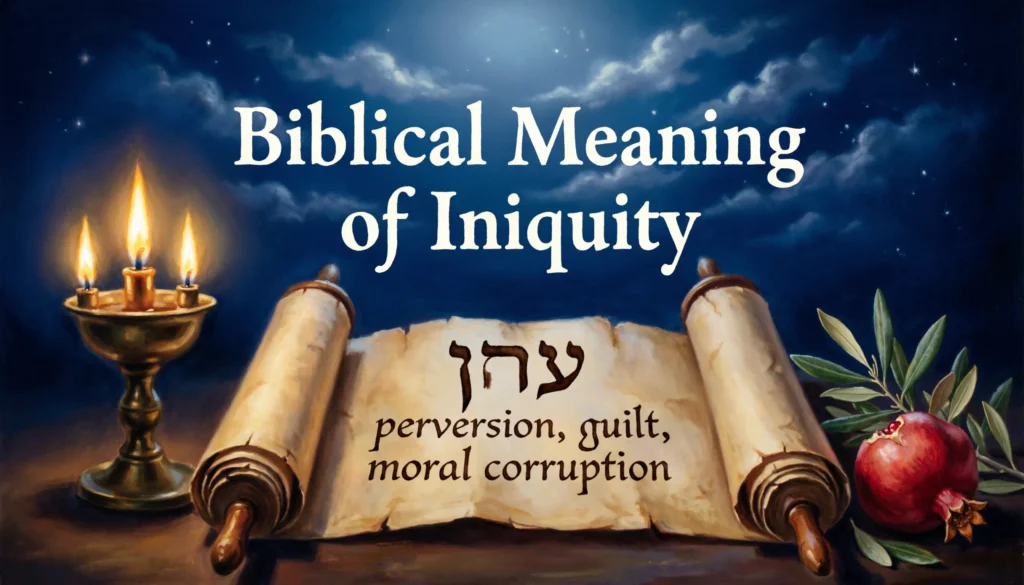
The Bible mentions iniquity many times, often highlighting the tension between human sinfulness and God’s holiness. iniquit is not just casual wrongdoingit represents a pattern of moral corruption, a bending of the heart and mind away from God’s path.
Psalm 51:5 (NIV) says:
“Surely I was sinful at birth, sinful from the time my mother conceived me.”
This verse shows that iniquity is part of our human condition, but the Bible also emphasizes God’s ability to forgive and restore.
Iniquity as a warning:
- Proverbs 28:13 (NIV): “Whoever conceals their sins does not prosper, but the one who confesses and renounces them finds mercy.”
- Here, iniquity serves as a signal that we need repentance, prayer, and God’s guidance. It reminds us that sin carries consequences but is never beyond God’s grace.
Iniquity in prophecy:
- The Old Testament often links iniquity with national or personal consequences. Isaiah warns that persistent iniquity separates people from God’s protection (Isaiah 59:2).
- Yet, God’s mercy is always available. Jeremiah 31:34 (NIV) declares: “For I will forgive their wickedness and will remember their sins no more.”
Emotional tone and hope:
Understanding iniquity in the Bible isn’t meant to create guilt but to encourage transformation. Recognizing iniquity allows us to seek God, find forgiveness, and align our lives with His will.
Iniquity and personal reflection:
When you feel the weight of sin, whether in action, thought, or dream, it’s a divine reminder to pause, pray, and reconnect with God. The Bible presents iniquity as both a warning and a pathway to grace, showing that acknowledging our faults leads to spiritual growth and inner peace.
Spiritual Significance and Symbolism
Spiritually, iniquity symbolizes the distance between our hearts and God. It reminds us that sin isn’t only about wrong actionsit’s about turning away from God’s guidance.
- Transformation through awareness: Recognizing iniquity allows believers to seek repentance and experience renewal.
- Faith lessons: Every encounter with iniquity teaches patience, humility, and reliance on God. For instance, noticing pride, jealousy, or dishonesty in daily life can guide us toward prayer, reflection, and spiritual healing.
- Symbolism in Christian life: Iniquity can represent shadows in our hearts that God wants to illuminate. Just as darkness makes light noticeable, our awareness of iniquity makes God’s mercy and grace more profound.
Even small acts, like being unkind or dishonest, may reflect hidden iniquity. By identifying these areas, we grow closer to God and strengthen our faith. Short moments of prayer, reading Bible verses, or asking God for guidance can transform guilt into hope and spiritual awakening.
Biblical Interpretations in Dreams or Real Life
Seeing iniquity in dreams or experiencing it in real life often reflects a spiritual message. Dreams may show iniquity as:
- A shadowy figure or act of wrongdoing: This can indicate guilt, warning, or the need for repentance.
- Stormy or fearful scenarios: Suggest unresolved sin or anxiety over moral choices.
- Peaceful acknowledgment: Indicates that God is revealing iniquity so it can be released through prayer and forgiveness.
In real life, moments of iniquity may appear as temptations, moral conflicts, or repeated mistakes. The Bible encourages acknowledgment, prayer, and confession as pathways to freedom. 1 John 1:9 (NIV) says:
“If we confess our sins, he is faithful and just and will forgive us our sins and purify us from all unrighteousness.”
Recognizing iniquity, whether in dreams or daily life, is comforting because it signals God’s awareness and readiness to guide us.
Practical Lessons & Faith Insights
- Reflect on your heart daily and identify areas where iniquity may appear.
- Pray for guidance, asking God to illuminate hidden sin and lead you to righteousness.
- Trust in God’s timing for healing, transformation, and spiritual growth.
Even small steps of faith can lead to profound spiritual renewal.
Conclusion
Iniquity in the Bible reminds us of our human imperfections but also points to God’s mercy, forgiveness, and love. By understanding its meaning, we can confront wrongdoing, seek spiritual guidance, and grow in faith.
Remember: Recognizing iniquity is not the endit’s the beginning of a journey toward hope, peace, and closeness with God.
Discover More Articles
- Yoke Bible Meaning: Spiritual Lessons Behind the Biblical Yoke
- Yoke in the Bible Meaning: Symbolism & Lessons in Scripture
- Yoke in Bible Meaning : A Sign of Burden or Faith (2026)