The meaning of stewardship in the Bible goes far beyond money or possessions it speaks directly to how God calls us to live every part of our lives. In Scripture, stewardship is about responsibility, trust, and faithfulness toward what God has placed in our care, whether it is time, talents, resources, or relationships.
The Bible teaches that everything belongs to God, and we are simply managers of His blessings. Understanding biblical stewardship helps believers grow spiritually, make wiser decisions, and live with purpose. As we explore this topic, we’ll uncover what the Bible truly says about stewardship and how it applies to our daily Christian walk.
Biblical Meaning of Stewardship in the Bible
The meaning of stewardship in the Bible begins with one powerful truth: everything belongs to God.
“The earth is the Lord’s, and everything in it.” Psalm 24:1
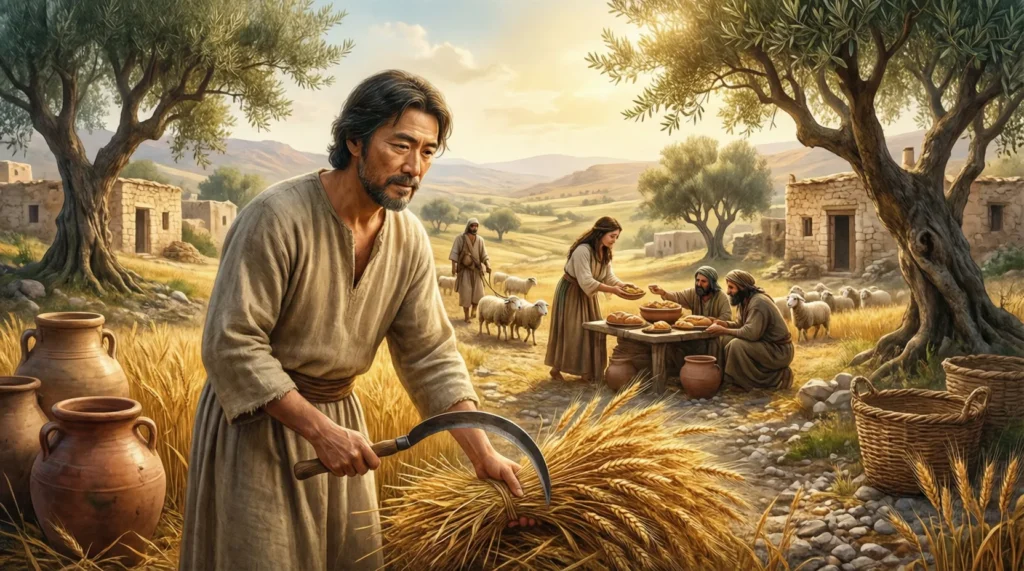
In Scripture, a steward is someone who is trusted to manage another person’s property or responsibilities. In biblical times, stewards were servants placed over households, finances, or land. They did not own these things, but they were accountable for how they handled them.
Jesus clearly teaches this principle in the Parable of the Talents (Matthew 25:14–30). In this story, a master entrusts his servants with different amounts of money before leaving. The faithful servants multiply what they were given. The unfaithful one hides it. When the master returns, each servant must give an account.
This parable shows that stewardship is not about how much you haveit’s about how faithfully you use what God gives you.
The Bible connects stewardship to many areas of life:
- Time – “Teach us to number our days…” (Psalm 90:12)
- Money & possessions – “Whoever can be trusted with very little can also be trusted with much.” (Luke 16:10)
- Spiritual gifts – “Each of you should use whatever gift you have received to serve others.” (1 Peter 4:10)
- Creation – Humanity was called to care for the earth (Genesis 2:15)
Biblical stewardship carries both promise and warning. Faithful stewardship leads to blessing, growth, and joy. Poor stewardshipthrough neglect, selfishness, or fearcan lead to loss and spiritual emptiness.
Yet the heart of stewardship is not fear. It is trust. God does not ask us to be perfect managers, but faithful ones. Stewardship becomes an act of worship, showing God that we honor His presence in every area of life.
Spiritual Significance and Symbolism
Spiritually, stewardship symbolizes partnership with God. It reminds us that we are not alone or abandonedwe are chosen caretakers of God’s blessings.
When you understand stewardship, your faith journey changes. You stop asking, “What’s mine?” and start asking, “Lord, how do You want me to use this?” That shift brings humility and peace.
Stewardship also represents spiritual growth and maturity. A growing Christian learns to:
- Manage emotions with grace
- Use words to heal, not harm
- Invest time in prayer and Scripture
- Serve others with love
Even small daily choices become spiritual acts. How you spend your morning. How you treat people. where you handle money. These are not ordinary actionsthey are spiritual assignments.
In moments of struggle, stewardship reminds you that God has trusted you, even when you feel weak. That trust is powerful. It shows that your life has purpose, value, and direction in God’s plan.
Stewardship is not about control. It is about surrenderallowing God to guide how His gifts flow through your life.
Biblical Interpretations in Dreams or Real Life
Sometimes stewardship shows up in dreams or real-life momentslike being given responsibility, managing a house, caring for children, or protecting something valuable.
In dreams, stewardship often reflects:
- A calling God is preparing you for
- A reminder to be faithful with your gifts
- A nudge to take responsibility seriously
A peaceful dream about managing something well may symbolize God’s approval and trust. A stressful or chaotic scene may be a gentle warning to pray, refocus, and seek God’s guidance.
In real life, stewardship appears when:
- You feel responsible for others’ well-being
- You sense God calling you to serve
- You are tested with increase or pressure
These moments are not random. They are invitations to lean into prayer and ask, “Lord, what are You teaching me?” God often uses stewardship moments to draw us closer to Him.
Practical Lessons & Faith Insights
True stewardship starts with prayer and awareness. Ask God how to use your time, gifts, and resources wisely. Be faithful in small things. Serve with joy, not pressure. Trust that God sees every effort, even when no one else does. Stewardship is not about perfectionit’s about a willing heart.
Conclusion
The meaning of stewardship in the Bible is a message of trust, purpose, and divine partnership. God lovingly places His blessings in our hands, not to burden us, but to grow us.
When we live as faithful stewards, our lives reflect His presence, wisdom, and grace. May your journey of stewardship draw you closer to God, filling your heart with peace, direction, and lasting hope.
Discover More Articles
- Meaning of Lament in the Bible : Sorrow, Prayer & Hope (2026)
- Meaning of Salvation in the Bible (KJV) : Truth & Hope (2026)
- Ceasing Meaning in the Bible: When God Calls Things to Rest